



Colorectal cancer is the most common cancer in Singapore. About 1 in 20 people may develop it in their lifetime. The good news: it is highly curable when detected early — with cure rates up to 90% in early stages.
What is Colorectal Cancer?
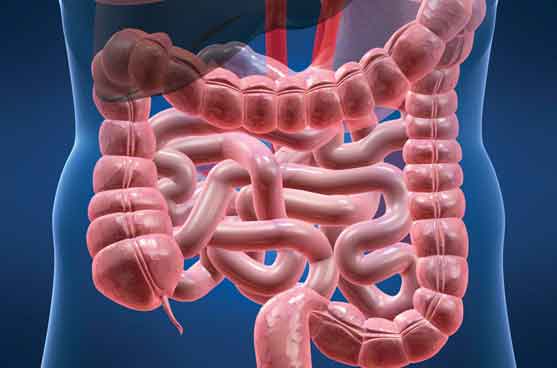
The colon (large intestine) stores waste, and the rectum is the final part before the anus. Tumours of the colon and rectum are abnormal growths arising from the cells lining the inner wall of the large intestine. Polyps = non-cancerous growths (benign). Some polyps can turn into cancer over time.
👉 Most colorectal cancers start from polyps
Who is at Risk?
You may be at higher risk if you have:
- Age 50 and above
- Family history of colorectal cancer
- Personal history of polyps or colorectal cancer or bowel disease (e.g. ulcerative colitis)
- History of cancers (breast, womb, ovaries)
- Sedentary lifestyle or obesity
- Diet high in red meat or processed meat
- Smoking or alcohol use
What are the symptoms?
Early cancer often has no symptoms.
Watch for:
- Blood in stools
- Change in bowel habits (constipation or diarrhoea)
- Abdominal pain or bloating
- Unexplained weight loss
- Fatigue or anaemia
- Feeling of incomplete bowel emptying
👉 Do not ignore these symptoms — see a doctor early
How Can It Be Prevented?
1. Healthy Lifestyle
- Eat more fruits, vegetables, and whole grains
- Reduce red meat and fatty foods
- Exercise regularly
- Stop smoking and limit alcohol
2. Screening (Very Important)
Screening can detect polyps before they turn into cancer
- Recommended from age 50 onwards
- Even if you feel well and have no symptoms
👉 Removing a polyp = preventing cancer
Read more about Screening for Prevention of Colorectal Cancer
How Does It Spread?
Colorectal cancer cells can grow deep into the wall of the colon or rectum and into the fatty tissue around the colon and rectum. Colorectal cancer can also spread through the lymphatic channels to the neighbouring lymph glands. In some cases, the cancer cells spread via the blood vessels to other parts of the body such as the liver or the lungs.
How Is It Diagnosed?
Your doctor may recommend a colonoscopy. A colonoscopy is a long thin flexible telescope with a built-in light source; it is passed through the rectum into the colon. Colonoscopy can identify abnormalities in the colon, remove polyps and take tissue for biopsy. Colonoscopy is done as a day-case procedure in the endoscopy centre. Read more about Colonoscopy
Further tests such as blood tests and CT scan of the body are performed to assess the stage of the cancer. Staging is a process that tells the doctor the extent of the cancer. Staging is based on the depth of invasion of the cancer, whether lymph glands contain cancer, and whether the cancer has spread from the original site to other parts of the body. The outlook for colorectal cancers depends to a large extent on their stage.
How Is It Treated?
Surgery is the most important treatment for colorectal cancer and in most cases results in a complete cure. Radiation therapy and chemotherapy are sometimes used in addition to surgery.
During surgery, the surgeon removes the section of the large intestines that contains the cancer. All the neighbouring lymph glands will also be removed because if the cancer is to spread, it often spread to the lymph glands first. The remaining ends of the intestine will be re-connected. If the cancer is too close or has invaded the anus, the colon cannot be joined; an artificial opening on the abdominal wall for the colon, called a colostomy (or stoma), may be required. This opening allows waste to be removed from the body when the anus cannot be used or has to be removed. A colostomy may be temporary or permanent.
Will I Need a Stoma (Colostomy)?
A stoma is an opening on the abdomen to pass stool.
- May be temporary or permanent
- >95% of patients do NOT need a permanent stoma
- Depends on tumour location and stage
Types of Surgery
Standard Open Surgery
Standard open surgery requires a long incision on the abdomen. Surgery involves the removal of a segment of the colon and/or part of the rectum, together with its blood supply and lymph nodes. The healthy ends are then joined together to form an anastomosis thereby restoring continuity of the digestive tract. The average hospital stay is about 1 week depending on the patient recovery.
Laparoscopic (Keyhole) Surgery
Laparoscopic (Keyhole) surgery uses small keyhole incisions on the abdominal wall and the operation is performed using specialised long instruments and a surgical camera. The exact same procedure as in standard open surgery is done internally with the use of keyhole instruments to remove the affected segment of large bowel together with its blood supply and lymph nodes. The healthy ends are then joined together to restore continuity of the digestive tract. The operative steps are similar to open surgery with the advantage of having smaller wounds, shorter hospital stay and quicker recovery period. Dr Quah is proficient in laparoscopic surgery. Laparoscopic colorectal surgery is performed here routinely.
What Is the Outlook?
Between 80%-95% of colorectal cancer patients are cured if the cancer is detected and treated in the early stages. The cure rate drops to 50% or less when diagnosed in the later stages. Screening is the detection of colorectal cancer in its early stage or polyps (which have not transformed into cancers) when there are no symptoms. By the time symptoms develop, some patients with cancer diagnosed are already in the later stages.
The earlier the person receives treatment, the greater the chance of cure. Improvement in surgical techniques and better nursing care mean that surgeons can now operate on people with low complication rates as well as people who were once considered too old for operation or when the cancer was thought to be too advanced.
👉 Early detection saves lives
Key Takeaway
- Colorectal cancer is common but preventable
- Screening can detect early or prevent it entirely
- Don’t wait for symptoms — get checked from age 50